Unlock Your Future in the Installation Industry: Earn More, Grow Faster, and Build a Rewarding Career
The installation sector is booming across the United States, offering stable careers with competitive pay, flexible schedules, and pathways to leadership roles. Whether you’re starting fresh or seeking a career change, installation jobs provide opportunities to earn up to $33/hour while mastering in-demand skills. Let’s explore why this field is a goldmine for ambitious workers.
📊 Why Installation Jobs Are Paying More Than Ever
The demand for skilled installers has surged due to infrastructure upgrades, renewable energy projects, and smart home technology adoption. Entry-level roles now offer $20.55/hour on average, with top earners in cities like Los Angeles ($29.64/hour) and Dallas ($26.86/hour). Specialized positions, such as fiber optic or cabinet installers, can push earnings to $1,200/week even for beginners.
✅ Key Salary Insights
- Entry-Level Roles: Start at $15.76–$26.80/hour (e.g., Precision Sign Company in Golden, CO, offers $22–$26/hour).
- Field Installers: Average $28.00/hour, with annual salaries reaching $72,253 in Nome, AK.
- Promotions: Senior installers earn $25.91/hour, while wind turbine technicians or oil field roles can exceed $65,000/year.
⭐ Pro Tip: Use location to your advantage. A move to Chicago adds $0.84/hour to your paycheck compared to the national average.
🛠️ What Installation Work Really Looks Like
Installation technicians handle everything from setting up home security systems to assembling industrial equipment. A typical day might involve:
- Reading blueprints or technical manuals.
- Operating hand/power tools (e.g., drills, saws).
- Testing systems for functionality and safety.
- Collaborating with clients or construction teams.
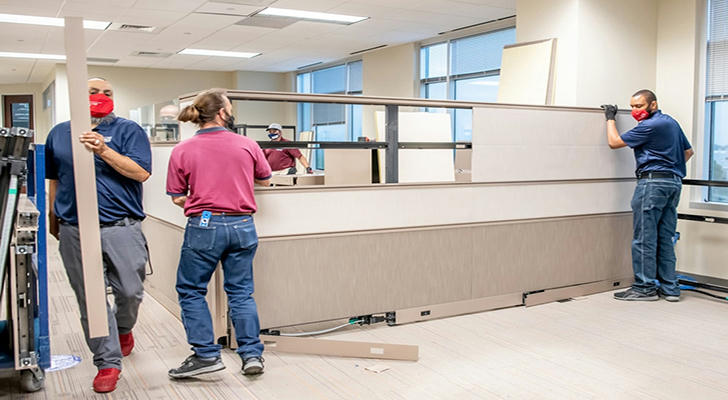
📌 Real-World Example: A Junior Fiber Optic Installer in Phoenix, AZ, spends their week installing high-speed internet lines, troubleshooting connectivity issues, and earning $800–$1,200 weekly.
⏰ Flexibility That Fits Your Life
Unlike rigid 9-to-5 jobs, many installation roles offer:
- Project-Based Hours: Work full-time during busy seasons (e.g., summer construction) and take time off in slower months.
- Overtime Opportunities: Earn 1.5x your hourly rate for weekend or holiday shifts.
- Travel Perks: Field installers often receive paid lodging and meals while working on remote projects.
🚨 Urgent Note: Companies like Pro Vision in Spokane, WA, are hiring 30+ full-time cabinet installers immediately—apply before positions fill up!
🎯 Skills Employers Are Hunting For
You don’t need a college degree to start, but these skills will make you stand out:
- Technical Proficiency: Familiarity with tools like multimeters or cable testers.
- Physical Stamina: Lift 50+ pounds and work in tight spaces (attics, crawl spaces).
- Problem-Solving: Diagnose issues like faulty wiring or signal interference.
- Certifications: OSHA safety training or manufacturer-specific credentials (e.g., Cisco network installation).
📢 Success Story: James, a former retail worker, landed a $35/hour HVAC installer job in Philadelphia after completing a 6-week certification program.
🚀 How to Land Your Dream Installation Job in 4 Steps

- Build Your Resume: Highlight hands-on experience, even from DIY projects or volunteer work.
- Target High-Demand Regions: Apply in cities like Charlotte, NC ($24.34/hour) or Fresno, CA ($22.26/hour).
- Ace the Interview: Prepare to discuss scenarios like, “How would you handle a client’s system malfunction?”
- Negotiate Smartly: Use tools like ZipRecruiter’s salary calculator to benchmark your offer.
🔍 Hot Jobs Right Now:
- Cable Installer (Auburn, MA): $700–$1,100/week + training.
- Level 4 Installer (Nationwide): $35–$40/hour for experienced candidates.
🌟 The Future Is Brighter Than You Think
The Bureau of Labor Statistics projects 8% growth for installation careers through 2030, driven by 5G expansion and green energy initiatives. Ambitious workers can advance to roles like:
- Lead Technician: Manage teams on commercial projects.
- Quality Control Inspector: Ensure compliance with safety standards.
- Self-Employed Contractor: Build a business servicing residential or corporate clients.
🏢 Industry Trend: Companies now prioritize installers with smart home tech expertise (e.g., Nest thermostats, Ring security systems).
Your Next Move Starts Today
With over 738 entry-level installation jobs posted on Indeed this month alone, employers are racing to hire talent. Don’t settle for dead-end jobs—equip yourself with skills that pay bills, fuel growth, and secure your future. Update your resume, tap into local training programs, and apply now before the best opportunities vanish!
📌 Final Checklist:
✅ Research salaries in your city.
✅ Contact hiring managers directly (e.g., sdawson@coserve.net for Level 4 roles).
✅ Practice your tool-handling skills.
The installation industry isn’t just a job—it’s a career that builds tomorrow’s infrastructure. Are you ready to be part of it?
https://www.indeed.com/career/entry-level-installer/salaries
https://www.salary.com/research/salary/benchmark/installation-and-maintenance-technician-salary
https://www.ziprecruiter.com/Salaries/Field-Installer-Salary