Unplug and Unwind: The Health Risks of Screen Overload
Screens dominate modern life. From smartphones to laptops and TVs, the average person now spends over 7 hours a day in front of a screen. While digital life brings convenience, excessive screen time can carry real health consequences—both mental and physical.
1. Digital Eye Strain
Staring at screens for long periods causes your eyes to blink less, dry out, and fatigue. Symptoms include blurred vision, headaches, and irritated eyes.
To reduce strain:
- Follow the 20-20-20 rule: every 20 minutes, look at something 20 feet away for 20 seconds
- Use anti-glare screens or blue light filters
- Adjust screen brightness to match room lighting
2. Sleep Disruption
Exposure to screens—especially blue light—before bed can suppress melatonin, the hormone responsible for sleep. This makes falling and staying asleep harder.
Better bedtime habits:
- Avoid screens 1 hour before bed
- Use "Night Mode" features after sunset
- Create a wind-down routine with reading or meditation
3. Neck and Back Pain
Looking down at phones or sitting at a computer too long leads to poor posture, resulting in strain on your neck, shoulders, and spine.
Simple fixes:
- Keep your screen at eye level
- Sit with feet flat and back supported
- Take stretch breaks every 30–45 minutes
4. Reduced Attention Span
Constant notifications and fast content scrolling train the brain to switch tasks rapidly, making it harder to focus deeply.
To stay sharp:
- Turn off non-essential notifications
- Schedule "focus hours" away from devices
- Practice mindfulness to rebuild concentration
5. Mental Health Impact
Too much screen time—especially on social media—can increase anxiety, loneliness, and low self-esteem, particularly among teens and young adults.
Boost digital wellbeing:
- Limit time on comparison-heavy platforms
- Curate your feed for positive content
- Spend more time offline with family and friends
6. Physical Inactivity
More screen time usually means less movement. Over time, this contributes to weight gain, sluggish metabolism, and higher risk of chronic diseases.
Move more:
- Take walking breaks during work sessions
- Try standing desks or walking meetings
- Combine screen use with activity (e.g., stretching while watching TV)
Final Thoughts: Balance Over Ban
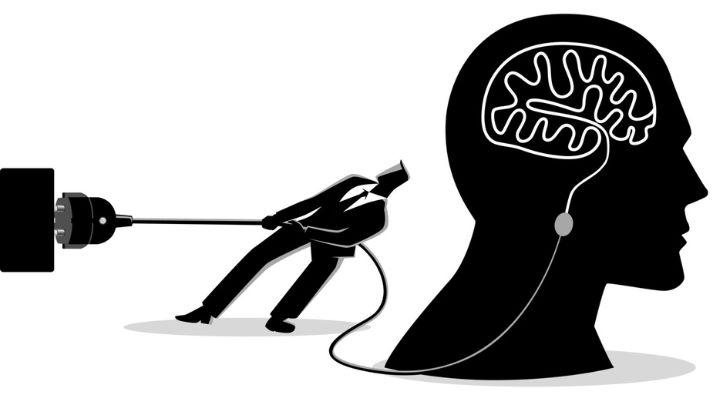
Technology isn't the enemy—but imbalance is. Instead of quitting screens, aim to use them with intention. Audit your screen time weekly, prioritize in-person interactions, and give your body and mind the breaks they deserve.
A healthier digital life starts with small, conscious steps. Disconnect to reconnect.