Why Do We Procrastinate? The Psychology Behind Delaying What Matters
We all do it. That task you meant to finish yesterday is still untouched. Your to-do list grows longer. Why do we procrastinate—even when the delay causes stress? Understanding the science behind procrastination can help break the cycle and reclaim your time.
The Root of Procrastination: It’s Not About Laziness
Contrary to popular belief, procrastination isn’t a sign of being lazy. It’s a self-regulation failure, deeply tied to how we manage emotions.
When we perceive a task as boring, stressful, or overwhelming, our brain looks for immediate relief. Instead of facing the discomfort, we distract ourselves with something more pleasant—scrolling, snacking, or binge-watching.
What the Research Says
- Task aversion is a major trigger. We avoid what feels unpleasant.
- Fear of failure or perfectionism can lead to paralysis.
- Immediate gratification bias makes short-term pleasure more appealing than long-term gains.
How Your Brain Is Wired for Delay
Neuroscience reveals that procrastination is a tug-of-war between two brain areas:
- The limbic system (emotion center) favors instant relief
- The prefrontal cortex (planning center) pushes long-term goals
When stress or fatigue kicks in, the limbic system can overpower the rational part of your brain, leading to impulsive avoidance.
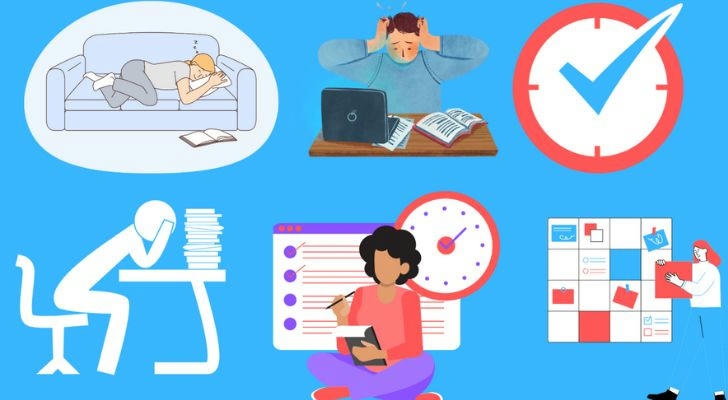
The Emotional Loop That Feeds Delay
Every time we delay, we feel short-term relief—which rewards procrastination behavior. But this relief is followed by guilt or anxiety, which only worsens the emotional discomfort the next time a task comes up.
Common Emotional Triggers:
- Anxiety about performance or judgment
- Perfectionism ("If I can’t do it right, I won’t do it at all")
- Low self-worth or fear of not measuring up
5 Simple Strategies to Break the Cycle
1. Time-Box Tasks
Block your calendar in short, focused sprints (like 25-minute Pomodoro sessions). Set a timer. Treat it like an appointment.
2. Start with "Just 5 Minutes"
The hardest part is beginning. Promise yourself five minutes—often, that’s enough to overcome inertia.
3. Reframe the Task
Instead of "I have to do this," shift to "I choose to do this because it helps me grow." Attach meaning to the outcome.
4. Remove Temptations
Silence notifications. Close irrelevant tabs. Work in a clean space. Small changes reduce friction.
5. Practice Self-Compassion
Beating yourself up makes procrastination worse. Acknowledge the habit without shame, and focus on progress.
Final Thoughts: Progress Over Perfection
Procrastination is part of being human—but it doesn’t have to control you. When you understand why it happens, you can interrupt the loop. Replace guilt with curiosity. Experiment with what works for you.
Small changes in behavior and mindset can make a big difference.
Take one step today—not because you have to, but because your future self will thank you.